Our Blog

Oral hygiene mistakes to avoid

November 19th, 2019

1. Brushing too fast
brushing should be between 30 seconds and 2 minutes twice a day
You can damage enamel brushing too fast. Slow to moderate speed brush strokes is ideal.



2. Not Flossing
Flossing helps to remove bacteria hidden. In one corner we have gum disease and the other corner, the heavyweight champ, Floss! Gum disease affects mainly adults but can happen at an early age, especially if you don't have a proper oral care routine, which includes flossing every day. Floss comes out the winner!


3. Not using the right toothbrush
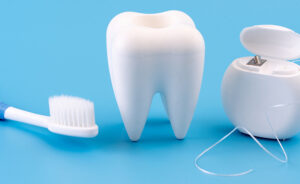
We recommend buying a chargeable electric toothbrush.
We realize that is not always an option, so we recommend using toothbrushes with soft bristles as these are much more effective. Avoid buying hard toothbrushes. These can damage tooth enamel and toss out toothbrushes after 2-3 months because they get rough. These can damage tooth enamel.


4. Not brushing your tongue
When brushing your teeth, brushing your tongue gently will rid
of bacteria that gets collected on your tongue called biofilm.
This type of bacteria can lead to bad breath and even tooth damage.
The tongue itself has peaks and troughs that are a perfect place for bacteria to thrive and settle. In fact, Its a leading cause of bad breath.
Let's brush those tongues and battle bacteria.


5. Not rinsing after brushing and flossing
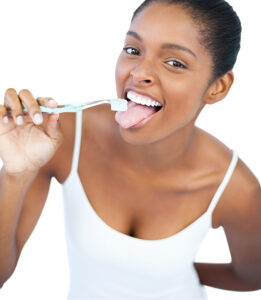
Flossing and brushing is not enough. You can leave particles behind.
Rinsing is an important last step to brushing and flossing. Rinsing will
help rid of these excess particles.


6. Not drinking enough water
Drink plenty of water to avoid dry mouth
dry mouth can result in growth of bacteria and fungi which can,
in turn, lead to bad breath.



7. Frequently Snacking
An occasional treat is fine, but repeated sugar intake and other carbs will increase the risk of cavities. Sugar can stay stuck to your teeth.
These sugars can damage your teeth. Tooth decay is caused by bacteria in
the mouth using sugar from foods and drinks to produce acids that
dissolve and damage the teeth.

It's important to monitor and moderate children's sugar intake.

 

8. Eating Acidic food at night
The acid in the saliva can damage can affect the health of your gums.
It is said to be best to eat at least two hours before your bedtime.
We recommend brushing the teeth before bedtime. This will help to keep
your mouth clean of acids.


9. Waiting too long before your final brush time and bedtime
It is very important to brush right before you go to bed.
Cavities can develop and grow rapidly when the mouth is dry.
Bacteria will eat away at your teeth eventually creating
holes (cavities) and leaving you without your teeth.
Plaque is also an issue. It can harden to form tartar.
plaque and tartar cause irritation, inflammation, and bleeding of the gums,
as well as dental decay, also known as cavities.
Let's make sure to brush our teeth before bedtime.



Bottom:
This article is intended to provide an understanding and knowledge about
Oral hygiene mistakes to avoid. Always seek advice from a professional dentist with any questions you may have regarding your child and medical conditions or treatments.

Benefits to smiling

October 16th, 2019

Many people can testify to feeling great due to smiling on a daily basis. The act of smiling brings quite a few health benefits. Let's explore the benefits! 

1. Smiling releases endorphins
Smiling helps us feel good. Studies have shown that endorphins are released into the bloodstream when people smile. These natural chemicals help to elevate your mood and relax your body. Smiling can trick your brain into happiness ... and boost your health. Smiling and activating facial muscles can trick your brain into thinking that you are happy and have been seen by specialists to actually trigger happiness when being stressed or feeling down.


2. Smiling is contagious
Ever find your self smiling because someone else was smiling? It happens a lot more often than you may think, especially when our children smile at us or vice versa.
Smiling is an unconscious and automatic response. Since smiling tends to keep us upbeat even when we were down, it creates a good vibe around you which people tend to gravitate to.


3. Smiling Boosts Heart Health
It helps bring stress levels down. Scientists have tested heart rates and have discovered that smiling reduces body stress.


4. Smile to Strengthen Immunity
Laughter and smiling lower risk of cancer. The studies reveal that the brain secrets immunoglobulin ( mucosal antibody used by the immune system to identify and kill bacteria and viruses) Smiling also lowers your blood pressure.


5. Smile for success
Smiling promotes optimism and vice versa. Smiling has been known to help people be in a better mood and keep people in an upbeat state. This can lead to positive vibes. People who feel positive and act positively, tend to be more successful in all they do.


6. Happiness Adds years to your life. Studies have it that smiling can add 7 years to your life. It takes 46 muscles to frown but only 17 to smile. According to experts, a happy disposition and positive outlook on life can have a powerful impact on health.

Whether you want to trick your brain into happiness or not, smiling proves to be a great way to boosting your health. Let's all a smile as often as we can!


How to Prevent Baby Bottle Syndrome

September 13th, 2019

What is  "Baby bottle syndrome?"

Baby bottle syndrome, now known as Early childhood caries ( ECC ),
is defined as the presence of 1 or more decayed teeth or missing teeth
This results in dental caries or (cavities) or filled tooth surfaces in
any primary tooth between birth and 71 months of age.

Below we will explore how to prevent baby bottle syndrome.


1. Giving them unlimited access to beverages overnight can harm their oral health.
Let's explore some reasons why and what we can do.

Issues associated with a bottle overnight:
- The nipple of a bottle prevents saliva from washing away the sugars from the incisors.
bottom front teeth may also be affected
- Milk, juice, and formula all contain simple carbohydrates. Bacterias just love sugars and cause plaque.
- As the bacteria break down fluids, it produces acids that may harm baby's tooth enamel.


What can we do?:
- A bottle or a sippy cup with water overnight is better than milk or juice.
however, babies should breastfeed or drink for the first 6 months before giving them more water.
The formula itself should not be too diluted with water. Giving babies too much water can affect appetite.
- If your child falls asleep while feeding, remove the bottle as soon as you notice your baby is no longer sucking.

- Teach your child to drink from a cup rather than a bottle by about six months. Children should be weaned from the bottle by about one-year-old.
- Changing a child's diet may help prevent baby bottle tooth decay. More about this below.


2. Keep them Hydrated during the day
Adequate hydration is essential for growing babies. They are more prone to dehydration than adults are.


Here are some signs of dehydration to watch out for:
Sleepiness.
Irritability.
Thirst.
Less elasticity in the skin.
Eyes and fontanel (or soft spot on the head) appear sunken.
Decrease or absence of tears.
Dry mouth.
more than 6 hours without a wet diaper.
Decrease the number of wet diapers.
urine looks or smells stronger.
rapid breathing
High heart rate


3. Changing a child's diet may help prevent baby bottle tooth decay.


Employing the following changes can help:

a. Gradually dilute the bottle contents with water over a period of two to three weeks.
b. Once that period is over, if you give a child a bottle, fill it with water or give the child a clean pacifier recommended by a dentist. The only safe liquid to put in a bottle to prevent baby bottle tooth decay is water.
c. Decrease consumption of sugar, especially between meals.
d. Children should be weaned from the bottle as soon as they can drink from a cup, but the bottle should not be taken away too soon, since the sucking motion aids in the development of facial muscles, as well as the tongue.


4. Clean their teeth

Cleaning baby's teeth can begin as soon as the first tooth pokes through the gums.
however, even though the teeth have not fully come out, doctors recommend brushing the gums to rid particles and bacteria. Use a clean, damp washcloth, gauze pad or a finger brush to gently wipe clean the first teeth and front of the tongue. Massage the gums and gingival tissues\
once a day until they turn 12 months old.

As for the toothbrush, it should be soft and have no more than three rows of bristles.
A pea-sized amount of toothpaste should be applied. Toss out any toothbrushes that have become rough or after using 2-4 months. This is because nasty mouth bacteria can begin to build up.


For babys toothbrushing time:

* Nice and gentle
* Sing a song for distraction
* Let baby examine the toothbrush a little bit.
* Colorful silicone finger brushes with nubs are a great way to move to the next level
from a washcloth and then to a brush.

When baby is ready to brush on their own, they will start grabbing for the brush.


5. Bring your baby to their first dental visit after the first tooth erupts. (Typically before age one)
Your baby needs to be healthy, be able to chew and speak, have strong teeth, and a strong jaw.
Medical and Dental professionals recommend that baby's first visit should be
within 6 months of the first tooth coming in (erupting), or by about 12 months at the latest.


This article is intended to provide an understanding and knowledge about baby bottle syndrome and babies' dental health. Always seek the advice of a professional dentist
with any questions, you may have regarding your child and medical conditions or treatments.

6 Foods that are good for your teeth

August 3rd, 2019

According to the American Dental Association, dental health is one of the
the first area to decline is your oral health when your diet is less than ideal.

Dental health is a part of your overall health. Below you will find some foods that
contribute to healthy teeth.


1. Cheese
Dairy products, such a s milk and cheese, contain casein protein, which stabilizes and repairs enamel.
Be sure to check labels to ensure that that it has calcium and what recommended amount each serving is giving you.
Cheese fortifies bones with calcium.


2. Leafy Greens
Spinach, peas, peppers oh my. They're full of vitamins and minerals and are low in calories. Chewing a lot generates saliva that cleans and rinses your teeth while also neutralizing the acid. Not only are leafy greens packed with fiber, Chewing on leafy greens supports this activity


3. Wild Salmon
Not only does Wild Salmon provide health benefits like heart-healthy vitamin B12,
it provides bone-building vitamin D and calcium, making it an all-round superfood
for helping to maintain healthy teeth and gums


4. Green Tea
Regularly drinking green tea can protect against cavities, gum disease and bad breath,
according to a 2016 study that compiled research on the beverage's oral health effects.]
Kids may be reluctant at first to drink green tea but many of them love it with honey.
The antibacterial properties of the honey will affect the flushing of bad bacteria.


5. Carrot Sticks
Carrot sticks act as weapons for fighting cavities as they act as a natural toothbrush.
This crunchy vegetable is high in plaque-attacking as well as vitamin A,
which is crucial for strengthening delicate tooth enamel.


6. Naturally sweet raisins
Raisins contain phytochemicals, which may kill bacteria that cause plaque.
Raisins do not contain table sugar and sucrose.


This article is intended to provide an understanding and knowledge about foods that support dental health. Always seek the advice of a professional dentist
with any questions you may have regarding your child and medical conditions or treatments.


invisalign the clear alternative to braces care credit making care possible today

Hours of operation vary by location. Please click on your desired office location for specific details: